
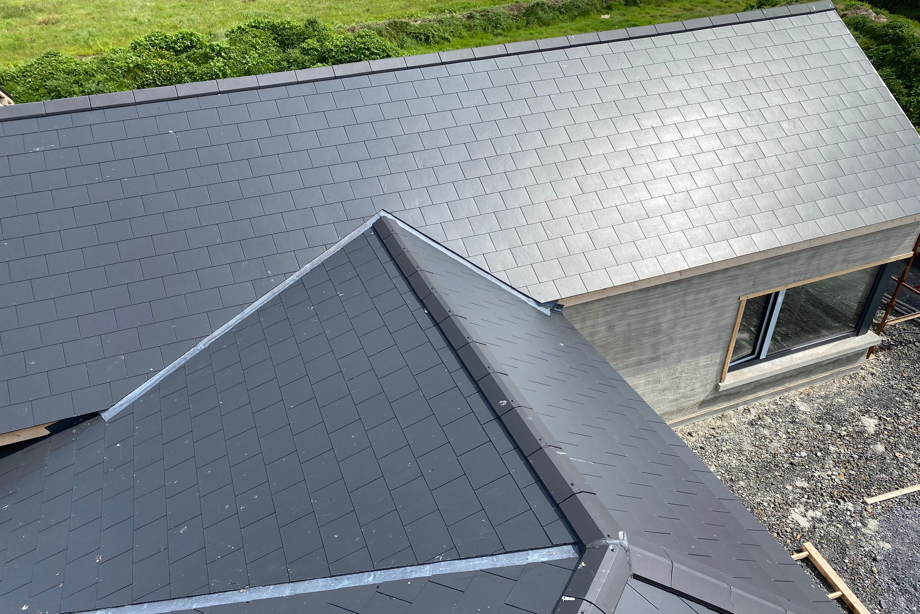
Expert Advice from Complete Roofing | Clare, Limerick & Galway When homeowners ask us what are the most common roofs in Ireland, they are usually trying to understand which roof designs actually perform well in Irish weather. After years working across Clare, Limerick and Galway, we’ve installed, repaired and replaced almost every roof style used in this country. The most common roofs in Ireland are not random design trends. They have evolved based on our climate, wind exposure, rainfall levels and traditional building methods. In this guide, we explain the most common roofs in Ireland, why they are so widely used, and what homeowners should consider before choosing a roof design. If you are considering upgrading your roof, you can explore our full range of professional roofing services here Gable Roof The Most Common Roof in Ireland The gable roof remains the most recognisable and widely used roof type across Ireland. It consists of two sloping sides meeting at a ridge, creating strong water runoff and a simple structural design. Why it remains one of the most common roofs in Ireland: • Excellent rainwater drainage• Cost-effective construction• Good attic ventilation• Works well with slate or tile finishes In coastal areas, correct mechanical fixing is essential to prevent wind uplift. Hip Roof One of the Most Stable Roof Types in Ireland A hip roof slopes down on all four sides rather than two. Because of this, it offers improved wind resistance compared to a standard gable. Hip roofs are increasingly considered among the most common roofs in Ireland, particularly in modern housing developments and exposed locations. Why hip roofs work well in Irish conditions: • Better resistance to strong winds• Balanced structural load distribution• Consistent water runoff on all sides• Strong performance in coastal regions In places like west Clare or coastal Galway, hip roofs can offer additional security during storms. The trade-off is slightly higher construction cost and reduced attic space compared to gable roofs. Flat Roof Common on Extensions and Contemporary Irish Homes Flat roofs are not usually used for full rural dwellings, but they are absolutely among the most common roofs in Ireland for: • Home extensions• Garages• Dormers• Modern architectural builds Flat roofs in Ireland are rarely completely flat. They are built with a slight pitch to allow drainage. Why flat roofs are popular: • Modern, clean appearance• Usable rooftop space• Ideal for solar panel installation• Efficient for smaller structures However, the performance of flat roofs depends heavily on materials. Older felt systems are more prone to failure, while modern EPDM or warm roof systems provide much better durability in Irish weather. If you are upgrading insulation or improving energy efficiency, a properly installed warm roof build-up significantly improves performance. Flat roofs can perform very well in Ireland when installed correctly with the right membrane and drainage design. Choosing Between the Most Common Roofs in Ireland When advising homeowners, we consider: • Location and wind exposure• Property age• Planning requirements• Budget• Future extension plans For example: Rural countryside home → Gable roofCoastal exposed property → Hip roofModern extension → Flat roof with insulated build-up The key is matching roof structure with appropriate materials and correct installation. Frequently Asked Questions What is the most common roof in Ireland? The gable roof remains the most common roof in Ireland due to its simplicity and effective drainage. Are hip roofs better in windy areas? Yes. Hip roofs provide better aerodynamic stability in exposed locations. Are flat roofs suitable for Irish weather? Yes, when built with proper drainage and modern membrane systems. Which roof type is best for extensions? Flat roofs are commonly used for Irish extensions due to efficiency and clean design. For more specific locations or pavingRoofing Clare, Roofing Limerick or Roofing GalwayComplete Paving
Best Roofing Materials for Irish Weather
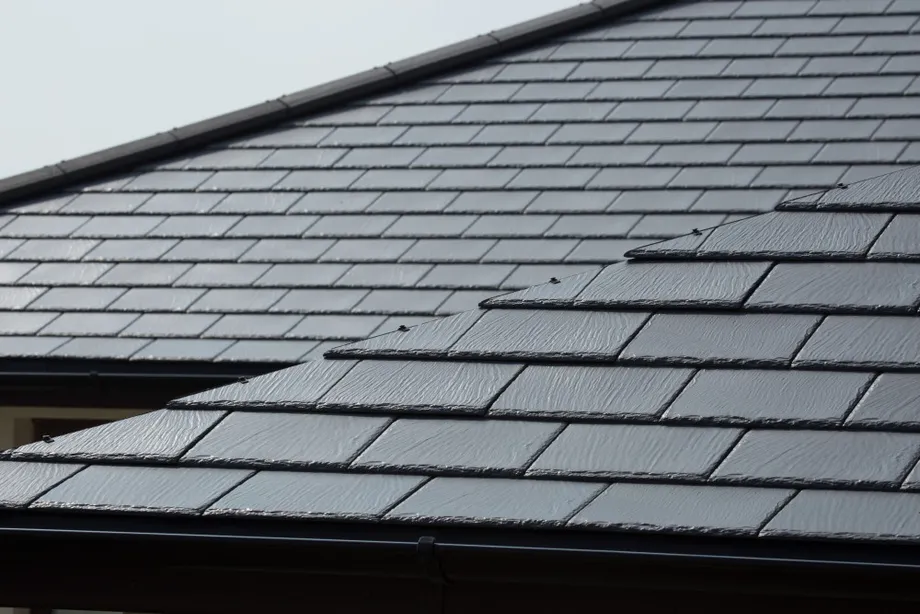
Best Roofing Materials for Irish Weather Expert advice from 15+ years roofing homes across Clare, Limerick and Galway Ireland’s weather is unforgiving on roofs. Persistent rain, strong Atlantic winds, high humidity and frequent freeze-thaw cycles mean the wrong roofing material or poor installation will fail quickly. After more than 15 years roofing homes across Clare, Limerick and Galway, I have seen which roofing materials genuinely perform well in Irish conditions and which ones cause problems years later. This guide breaks down the best roofing materials for Irish weather, based on real site experience, not theory. What makes Irish weather so hard on roofs? Before choosing materials, it is important to understand the challenges: A roof in Ireland must resist wind uplift, water ingress, and long-term moisture exposure. Best roofing materials for Irish weather Natural Slate Best overall performance in Irish conditions Natural slate has protected Irish homes for centuries and for good reason. Why it works well in Ireland Things to be aware of VerdictIf budget allows, natural slate is the most durable and weather-resistant pitched roofing material for Ireland. Fibre Cement Slate Best value for money Fibre cement slate is one of the most commonly installed roofing materials in Ireland today. Why it performs well Limitations VerdictFor homeowners seeking durability without the cost of natural slate, fibre cement slate offers the best balance of performance and price. Concrete Roof Tiles Practical and widely used Concrete tiles are common on housing estates across Ireland. Strengths Common issues I see VerdictConcrete tiles work well inland when installed correctly, but quality of installation is critical. Clay Roof Tiles Excellent water shedding, less forgiving Clay tiles are less common but still used on certain properties. Pros Cons VerdictClay tiles can work well in sheltered areas but are not always ideal for exposed Irish sites. Flat Roofs in Ireland EPDM is the clear winner Flat roofs fail frequently in Ireland when poor materials are used. EPDM has changed that. Why EPDM outperforms felt VerdictFor flat roofs in Ireland, EPDM is the most reliable long-term solution. The biggest mistake homeowners make The most common issue I see is not material choice but poor installation. Examples include: Even the best roofing material will fail if installed incorrectly. What I would choose for my own home If I were roofing my own house in Ireland today: These choices are based purely on long-term performance in Irish weather. Final advice before choosing a roofing material A well-chosen, well-installed roof should protect your home for decades, even in Ireland’s toughest weather.
Warm Roof Options in Ireland: A Complete Guide for Homeowners
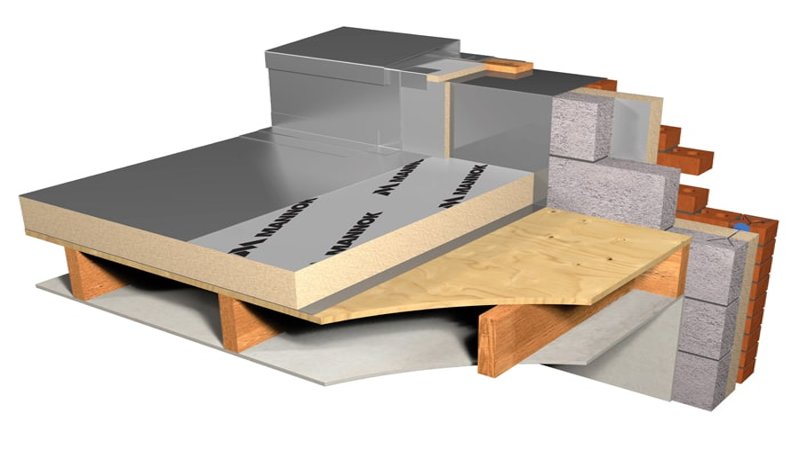
Warm Roof Options in Ireland: A Complete Guide for Homeowners Warm roof Ireland systems have become one of the most effective ways to improve energy efficiency, reduce heat loss and protect your home from condensation issues. A correct setup keeps the entire roof structure inside the insulated layer, which supports better performance under Ireland’s changing weather conditions. Homeowners across Clare, Limerick and Galway are choosing warm roof solutions because they deliver higher comfort levels and meet modern insulation standards. This guide explains the best options in Ireland, how each system works and which type of warm roof construction is ideal for your home. If you plan a re roof, attic conversion or flat roof upgrade, understanding warm roof insulation in Ireland will help you choose the right approach from the start. What Is a Warm Roof? This type of roof system places insulation above the rafters or roof deck so the entire structure stays within the insulated layer. By removing the need for traditional ventilation, it helps prevent heat loss and condensation issues. It is widely recommended under Irish building regulations because it supports stronger U values and improves overall energy efficiency. To explore insulation options used inside and outside your home, you can also visit our Interior and Exterior Insulation page. Warm Roof Options for Flat Roofs 1. Warm Deck Roof System (Most Common in Ireland) The warm deck system is the standard choice for domestic and commercial flat roofs in Ireland. Build Up Roof deck or OSB3 Vapour control layer PIR insulation boards (typically 100 to 150 mm) New OSB or ply deck Waterproofing layer such as torch on felt, fibreglass GRP, liquid membrane, PVC or EPDM Why It Works PIR boards deliver high thermal performance without adding unnecessary weight. This system prevents condensation and delivers strong energy efficiency across all weather conditions. It also works with every major waterproof membrane. Best For Extensions, garages, dormers, commercial buildings, sheds and timber frame structures. 2. Inverted Warm Roof System This style places insulation above the waterproofing layer. It is held in place with paving slabs or ballast stones. Build Up Roof deck Waterproof membrane XPS insulation Filter layer Ballast or paving slabs Advantages Waterproofing is protected from weather and UV Very long lifespan Ideal for areas with foot traffic Best For Balconies, terraces, walkable flat roofs and green roof systems. 3. Hybrid This system mixes internal insulation with external insulation when height limitations restrict full warm deck thickness. It is mainly used to meet required U values on renovation projects. Options for Pitched Roofs 1. Over Rafter Insulation System (Preferred for Re Roofs) Over rafter insulation creates a full warm layer above your rafters, keeping the entire roof structure inside the insulated zone. Build Up Rafters Vapour control layer PIR insulation boards Counter battens Battens Slate or tile roofing Benefits No cold bridging No need for ventilation Strong airtightness and excellent U values Perfect for meeting modern Part L requirements Best For Re roofs, attic conversions, deep retrofit projects. 2. SIPs Roof Panels Structural Insulated Panels are prefabricated roof panels that combine insulation and OSB into a single unit. Benefits Extremely fast installation Factory level airtightness Very strong structure Best For New builds and modern extensions that require high energy performance. 3. Spray Foam (Used Less Today) Closed cell spray foam can be applied under tiles to create a warm roof effect, but it is often avoided. Concerns Can restrict necessary airflow Hard to remove during re roofing Some lenders will not mortgage houses using older spray foam systems Verdict Use only if the product is certified and installed by an accredited specialist. Most Irish homeowners now choose PIR based systems instead. What Is the Best System for Irish Homes? For most homeowners in Limerick, Clare and Galway, the best warm roof choices are: Flat Roofs ✔ Warm deck PIR system✔ Inverted roof for terraces and walkways Pitched Roofs ✔ Over rafter insulation✔ SIPs for new builds✘ Avoid uncertified spray foam Why Homeowners Are Switching? Choosing a warm roof delivers major long term benefits: Lower heating bills Better energy ratings Longer roof lifespan No condensation issues Reliable thermal comfort Stronger compliance with Irish regulations If you need guidance on insulation materials, thickness or U value targets, you can visit our Interior and Exterior Insulation section for additional details. Book a Warm Roof Assessment Complete Roofing & Construction provides expert warm roof installations across Clare, Limerick and Galway. If you are planning a roof replacement or want to improve insulation performance, our team can assess your current structure and recommend the ideal warm roof solution. Contact us today for a free inspection and quote. Understanding Insulation Standards in Ireland When comparing warm roof options in Ireland, it is important to understand the insulation standards that guide energy performance in Irish homes. The Sustainable Energy Authority of Ireland (SEAI) provides clear guidance on recommended insulation types, U value targets and best practices for improving overall energy efficiency. Their resources help homeowners understand how warm roof systems contribute to heat retention and long term savings. You can find more details on insulation standards here
Are There Grants for Roof Repairs in Ireland? | Complete Roofing & Construction
Are There Grants for Roof Repairs in Ireland? (2025 Guide) If you’re planning roof repairs or a full roof replacement, the big question Irish homeowners ask is: So… Are There Grants for Roof Repairs in Ireland? Short answer: ❌ There is no direct Government grant for replacing or repairing a roof. BUT… Good news: ✔️ There are grants that can help cover parts of roof-related work, especially when the project includes insulation, ventilation upgrades, or solar panels.✔️ These grants can significantly reduce the overall cost of your roof project. At Complete Roofing & Construction, we work with homeowners in Limerick,Clare & Galway to ensure their roofing jobs are grant-compatible where possible. Why There Is No “New Roof Grant” in Ireland The Government only funds works that improve: Energy efficiency BER ratings Home sustainability Heating upgrades Ventilation requirements A standard roof repair or re-roof does not meet these criteria — which is why no specific roof replacement grant exists. However… When a roof project involves better insulation or solar energy, homeowners can claim support. Grants That DO Apply to Roof-Related Works in 2025 While no grant pays for a full roof replacement, these grants directly support work that happens during roofing projects. 1. SEAI Attic Insulation Grant (Most Common “Roof Grant”) When your roof is opened up, it’s the perfect time to upgrade attic insulation. Grant amounts (2025): Apartment: €800 Mid-terrace: €1,200 Semi-detached / end-terrace: €1,300 Detached: €1,500 Official source:🔗 https://www.seai.ie/grants/home-energy-grants/ Why this relates to roofing: Insulation sits directly beneath the roof Often installed during roof replacement or repair Can significantly reduce heating bills Helps raise the BER rating This is the closest thing to a “roof grant” available. 2. Solar PV Grant (For Roof-Mounted Solar Panels) If you’re already repairing your roof, many homeowners choose to futureproof with Solar PV. Grant value: Up to €2,100 for solar panels +€300 for battery storage Source:🔗 https://www.seai.ie/grants/home-energy-grants/solar-pv/ Roof work makes solar installation easier and often cheaper — ideal timing. 3. Energy Upgrade Grants (Better Energy Homes Scheme) These grants cover energy improvements that often involve roof access: Ventilation upgrades Draught proofing Insulation BER improvements Homeowners usually combine roof repairs with these upgrades to qualify. Source:🔗 https://www.seai.ie/grants/home-energy-grants/ 4. Local Authority Housing Grants (Sometimes Cover Roof Repairs) Local councils offer supports for older or vulnerable homeowners when the roof affects: Habitability Health Safety Typical supports: Housing Aid for Older People Housing Adaptation Grants Up to 95% of repair costs, depending on income and severity Check your local county: Limerick City & County Council Galway County Council Clare County Council What Roof Works Are Covered by These Grants? Grants may help if your project involves: Installing new insulation Improving ventilation Preparing roof space for solar PV Increasing energy efficiency Not covered:❌ Standard leak repair❌ Storm damage❌ New tiles/slates only❌ Timber work only❌ Chimney repair (unless part of an energy upgrade) Can You Combine Multiple Grants? Yes — most homeowners do. For example: Attic insulation grant (€1,500) + Solar PV grant (€2,100)= €3,600 total support Many roofing projects qualify for both when planned correctly. How to Apply for Roof-Related Grants Step 1: Check eligibility Visit SEAI or your council’s website. Step 2: Get a quote & site assessment We provide full documentation, photos and itemised quotes required for applications. Step 3: Submit your application online SEAI applications are quick and usually approved fast. Step 4: Complete works Use a registered contractor (we can guide you depending on grant type). Step 5: Claim your grant Payment is issued after the work is inspected and approved. Roofing Grant Support for Clare, Limerick & Galway Complete Roofing & Construction provides: Roof repairs & re-roofs Attic insulation preparation Ventilation upgrades Grant-compliant documentation Photos & notes for SEAI applications We ensure your project is completed to grant-ready standards where applicable. FAQs — Roof Grants in Ireland Are there grants for roof repairs in Ireland? No — but insulation, solar and efficiency upgrades often qualify. Can I get a grant for a new roof? Not directly. You can only claim for energy-related work. Do SEAI grants cover attic insulation? Yes — between €800 and €1,500 depending on home type. Do I need a BER assessment? Most SEAI grants require it. Can I combine grants? Yes — many homeowners combine attic insulation + solar PV. Interested in more: Roof repair Limerick Homepage

How Much Does It Cost To Roof A House In Limerick
How Much Does It Cost to Roof a House in Ireland? Short answer: For a typical Limerick home, a full roof replacement usually lands between €5,000–€10,000 with standard tiles/slate. Complex roofs, premium materials (e.g., zinc, copper) or structural repairs can bring totals into the €10,000–€30,000+ range. Flat roofs are often priced per square metre (see table below). We put this guide together to help Limerick homeowners set a realistic budget, understand what drives cost, and know what to ask a roofer before you commit. Quick Cost Benchmarks (Ireland & Limerick) Scenario Typical spec Indicative range* Small terraced/semi (~90 m²) Simple pitched roof, standard tiles/slate €4,000–€6,000 Medium detached (~120–150 m²) Pitched roof, moderate complexity €6,000–€9,000 Large/older home (200 m²+) Complex geometry, dormers/valleys, premium slate €10,000–€15,000+ High-end/premium metal Zinc/copper + detailing €15,000–€30,000+ * Final price depends on survey, access, materials, and scope. Flat & Specialty Roofing – Guide Prices (per m²) System Typical guide price Torch-on felt from €55/m² Fibreglass (GRP) from €70/m² Liquid waterproofing from €90/m² Zinc standing seam ~€130/m² Copper ~€120/m² Tip: Per-m² rates are useful for ballparks. Your quote should still itemise access/scaffolding, removal/disposal, insulation, flashing, gutters, ridge work, and any carpentry. What Drives the Cost in Limerick Roof area & shape – Bigger roofs and complex shapes (hips, valleys, dormers, multiple pitches) increase labour and waste. Material choice – Concrete tiles and fibre‑cement slates are usually the most cost‑effective; natural slate, zinc or copper carry premiums. Condition of structure – Rotten timbers, sagging rafters, or damaged sarking/boards require remediation. Access & scaffolding – Tight estates, rear access only, busy roads, or height constraints add time and scaffold cost. Weather windows – Limerick’s wet/windy spells can affect programme length and temporary weathering measures. Extras – Insulation upgrades, new breathable membrane, lead valleys, chimney flashing, gutters/fascias/soffits, roof ventilation, skylights/solar. Real‑World Limerick Examples Castletroy semi‑D (c. 95 m²) – Remove old tiles, install membrane & battens, standard concrete tiles, ridge system, gutters: ~€4,800–€6,200. Dooradoyle detached (c. 140 m²) – Pitched roof, two valleys, fibre‑cement slates, lead flashing, attic insulation top‑up: ~€6,800–€9,200. Adare period home (c. 210 m²) – Multiple hips/dormers, natural slate, extensive leadwork, structural repairs: €12,000–€18,000+. Flat roof extension (28 m²) – Fibreglass/GRP system with trims, outlets and warranty: €2,100–€2,600. Ranges are indicative only. We always confirm with a roof inspection, measurements, and a written, itemised quote. Repairs vs. Full Replacement If your roof is fundamentally sound, targeted repairs may solve the problem: Replace 1–10 broken tiles: €70–€300 Flashing/valley repairs: from €250 Leak tracing & fix: €200–€800 Repairs carry shorter guarantees than full reroofs. When a roof nears end‑of‑life (widespread tile failure, degraded underlay, failing battens), a full replacement is usually the better long‑term value. What’s Included in a Proper Re‑Roof Safe scaffolding and site protection Removal and licensed disposal of existing coverings Timber inspection and any agreed remedial carpentry Breathable membrane and treated battens to spec New tiles/slates/metal system installed to manufacturer guidelines Leadwork to chimneys/valleys, trays, and terminations Ventilation strategy (ridge/soffit vents) to prevent condensation Gutters, fascias & soffits as specified Final inspection, snag list closure and warranty paperwork How We Quote (and Help You Save) Local pricing – We source materials through Mid‑West suppliers and plan scaffolds/access to minimise overheads. No‑surprises scope – Every line item is written down and agreed before we start. Fit‑for‑purpose materials – We’ll recommend value options (e.g., fibre‑cement slate, concrete tiles) where suitable, and natural slate or metal where longevity or heritage appearance is key. Energy upgrades – Pairing a reroof with insulation/airtightness work can reduce bills and may qualify for SEAI‑linked efficiency benefits. FAQs How long does a reroof take? 3–7 working days for typical homes, longer for complex jobs or poor weather. Do you work across Limerick? Yes — Limerick City, Castletroy, Dooradoyle, Raheen, Adare, Annacotty, Patrickswell, and countywide. We also cover nearby Clare and Galway on request. What guarantees do I get? Manufacturer warranties on materials plus a workmanship guarantee (details in your quote). Flat systems (GRP/liquid) typically include 15–20‑year system warranties. Can you match existing tiles/slate? In most cases yes; we’ll bring samples to the survey.
Should Roofing Nails Be Exposed? Expert Advice for Homeowners in Clare, Galway & Limerick
Should Roofing Nails Be Exposed? Expert Advice for Homeowners in Clare, Galway & Limerick No, roofing nails should never be exposed. Exposed nails create openings for water to seep into your roof, leading to leaks, wood rot, and long-term structural damage. Properly installed nails are always covered by the shingle above. If a nail becomes exposed, it must be sealed with roofing cement to prevent rust and loosening. Why Exposed Roofing Nails Are a ProblemWhy Exposed Roofing Nails Are a Problem Roofing nails may look small, but they play a critical role in keeping your roof watertight. When they are left uncovered, several problems can develop quickly: What starts as a minor issue can quickly escalate into a major roofing failure if not addressed. Proper Installation of Roofing Nails Professional roofing contractors know that nail placement is key to roof performance. A properly installed nail should be: Following these best practices ensures that every nail is protected from rain, wind, and UV damage. Poor workmanship or rushed installations are the most common causes of exposed nails. How to Cover Exposed Roofing Nails in Clare, Galway & Limerick Homeowners in the west of Ireland know how tough our weather can be. Between heavy Atlantic rain in Galway, strong winds along the Clare coastline, and the freeze–thaw cycles common in Limerick, even the smallest exposed nail can become a big problem if it isn’t sealed properly. Here’s a step-by-step guide on how to cover exposed roofing nails safely: 1. Find the Exposed Nails 2. Clean the Nail Area 3. Apply Roofing Cement or Sealant 4. Add Extra Protection if Needed 5. Inspect After Storms Check the repaired area after heavy rain or high winds to make sure the cement hasn’t cracked or washed away. In the west of Ireland, storms can hit hard and fast. What To Do If You See Exposed Nails If you notice exposed nails on your roof, act quickly: